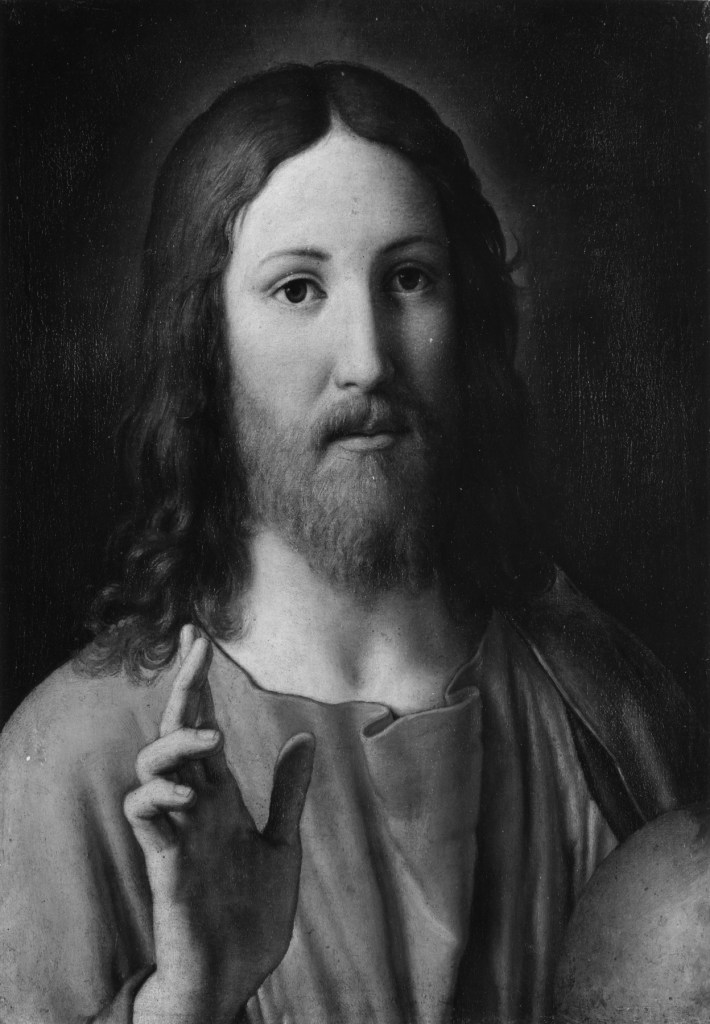
Jesus was a reformer who taught love, generosity, tolerance and forgiveness as the true message of the Tanakh, Hebrew scripture, what he referred to as “the law and the prophets.” There were few specifics to his theology. He described God not by recounting deeds, not in personal or physical terms, but by the qualities that constitute divinity. He taught us how to pray and how to behave. “Be ye perfect, even as your Father in heaven is perfect,” he said. Simple, but not easy. “I give to you a new commandment,” he said. “That you should love one another.” Nothing complicated, no formulaic religious duties nor even any specific creed. He believed his teaching would speak for itself. “By this all people will know that you are my disciples.”
He personified humility, never wrote anything down, never sought to be idolized, even telling his followers to keep quiet about who they thought he was. Jesus never asked to be considered anything but a “son of man.” He recognized, quoting Psalms, that we are “All gods, sons of the most high.” He never recommended any worship ceremony except, as we read in Paul’s epistle, “Eat this bread and drink this cup… In memory of me.” He did not have to start a new sect; his charisma was enough. Christianity is now, two thousand years later, a religion with over two-and-a-half billion adherents, one-third of the world’s population. Jesus is the most important person who ever lived.
The Gospels tell the story. The crucifix, the image of him crucified is a signpost, to “Bring all men to me.” His prescription for living is one of selflessness, leading to real value as living beings, to personal salvation from otherwise unfulfilled lives. Later followers established a church in his name, with sacraments, holy days, rules and regulations. These provide sanctified inspiration and perpetuate the messages of his teaching and his exemplary life. Like all human institutions, they have also been capable of cruelty and destruction.
Ultimately Jesus’s life and his teaching become real only in our hearts, in the spiritual centers of our being. Following his example, meditating on the Truth he taught, the miracles he performed, the generosity he personified, his willingness to sacrifice himself – this is Christianity. It is not necessary to understand God to live a God-centered life. Really there is no way to understand God, but we can see and feel God by being followers of Jesus, praying and acting as he taught us. The Gospels give us not concepts or ideas but life-long motivation, influencing our mentality, guiding our behavior.

 Nick Hilton - Reflections